

Chicken Cross Game Game Soundtrack Analysis for UK
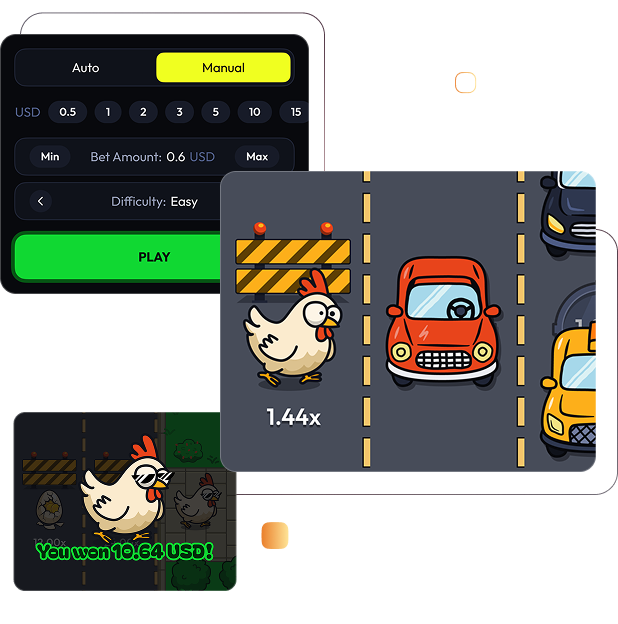

Chicken Cross Game is notable as a special single-player casino title that merges a barnyard theme with fast-paced reel action https://chicken-cross.eu/. We focus on the music and sound design because the soundtrack directly affects how players feel the game’s pace, tension, and reward moments. In the sections that follow, we break down each layer of the audio—from the looping farmyard melody to the sudden percussive hits that accompany a winning combination—so you can determine whether the audio fits the kind of session you enjoy. We also consider how the soundscape works with the game’s core maths, reel layout, and bonus triggers. By the end, you will recognize exactly what to listen for the next time you start the title and whether the soundtrack improves or hinders the mechanics you care about most.

Starting Farmyard Melody and Its Function in Setting the Opening Bet
The first sound you hear when the reels settle is a vivid, looping banjo riff backed by light acoustic guitar and distant clucking effects. This short motif repeats every six seconds, creating an direct rural atmosphere without overwhelming the ear. Because the loop is short, it never feels intrusive during the common small base-game spins that define Chicken Cross Game’s rhythm. We have noticed that the melody’s major-key tonality keeps the mood upbeat, which matters when the game’s volatility sits in the medium range and dry spells between line hits can last several spins. If you prefer a soundtrack that stays friendly even when the reels are quiet, this opening theme delivers. On the flip side, players who want silence between spins can toggle the music slider in the options panel down to zero while leaving win sounds active, a flexibility we suggest testing before committing to longer sessions.
Percussive Hits and Stop Indicators
Each drum halt is marked by a crisp snare rim-shot layered with a solitary chicken squawk adjusted to the icon that appears. Premium symbols such as the golden egg get a brighter, extended decay, while lower-tier royals cut off quickly. This arrangement converts the sound into an instant audio paytable: after a few dozen spins you begin to discern the importance of a spin before the win-amount counter even begins tallying. The timing of these cues is intentionally tight—less than 100 milliseconds after the reel visually stops—so the audio acts almost like an assistive feature for players who turn away from the screen. We recommend keeping master volume at 70 % or higher if you rely on these cues to assess when a respin or bonus symbol has emerged without checking the top-right corner tracker.
Audio Settings, Usability, and Hardware Differences
Chicken Cross Game offers four separate volume sliders: music, effects, voice, and master. On desktop browsers the music is set at 80 % while effects stand at 100 %, a balance that prefers the soundtrack without drowning win cues. Mobile devices by default lower music by 10 % to adjust for smaller speakers, but you can change this in the settings menu. For players who require reduced audio stimulation, the game also features a “focus mode” that silences every sound except reel-stop cues and bonus triggers. This mode keeps the essential audio feedback while cutting the looping melody, a valuable option during long sessions where the farmyard loop might become repetitive. Because the settings stay across sessions when you remain logged into the same account, you only need to configure them once unless you clear browser data.
Multi-layered Ambient Tracks While Base-Game Spins
Once you press spin, a second ambient layer fades in: soft wind among hay bales, intermittent hen clucks positioned left to right, and a subdued kick drum that follows the reel-stop timing. These elements rest underneath the main melody instead of replacing it, providing the base game a breathing quality. The ambient track grows slightly louder after every ten spins with no a line win, a subtle cue that the game is nudging you toward the bonus round. Because Chicken Cross Game uses a 5-reel, 3-row layout with 20 fixed paylines, the ambient sounds also sync to reel stops on the middle three reels, reinforcing the value of those positions for line formation. With headphones, the left-right panning of clucks can enable you notice when reels two and four land matching symbols, introducing an nearly subliminal interpretation of near-misses that the visual alone might miss.
Win-Count and Jackpot Jingles
Line wins above 20× your line bet play a unique jingle built around a major pentatonic guitar phrase that lasts exactly as long as the win counter needs to tally. The phrase repeats if the win animation exceeds three seconds, preventing silence during big base-game payouts. When the progressive jackpot wheel appears, the soundtrack drops to a low drone and adds a dramatic shaker pattern that accelerates until the wheel stops. These jackpot cues sit outside the regular mix bus, so even if you have muted the base-game music, the jackpot audio still plays at a fixed level. We suggest leaving at least the win and jackpot channels unmuted if you enjoy the satisfaction of audio confirmation on rare, high-value outcomes.
Build-Up Layers Ahead of the Bonus Round
As two bonus scatters land, the soundtrack drops the ambient barnyard effects and adds a rising string ostinato in a minor key. The tempo stays the same, but the harmony darkens, showing that the free-spin threshold is one symbol away. If the third scatter arrives, the ostinato resolves back into a triumphant major chord that doubles in volume for two bars before giving way to the bonus theme. This two-stage transition lasts roughly four seconds, letting you to determine whether to change your bet for the bonus or simply appreciate the ride. Because the build-up uses the same tempo as the base game, the reels never seem to speed up; instead, the music carries the weight of raising stakes. Players responsive to sudden dynamic changes can reduce the music slider in advance, but the contrast is intentional and worth trying at least once at full volume.
Gratis Spin Theme Bonus and Multiplier Indicators
Within the free-spin round the soundtrack changes to a quicker 16-beat hi-hat pattern and a powerful bass line that is positioned 15 BPM above the base-game tempo. Whenever a wild appears on reel three, a vivid glockenspiel stab sounds in 6/8 time, producing a rhythmic feel that corresponds to the 2× or 3× multiplier animation. The multiplier value by itself is announced by a short vocal call—“double” or “triple”—tuned an octave higher for each increase, so you can follow escalating wins without observing the top bar. Since Chicken Cross Game’s free spins can retrigger, the music never returns to the base-game melody until you depart the bonus, keeping tension across multiple retriggers. If you plan to go after the 10 000× max win, this steady escalation in both music and multiplier maintains the round seeming like a single narrative rather than a string of disconnected spins.
How the Music Relates to Volatility and Session Planning
Chicken Cross Game shows an RTP of 96.1 % and average volatility, indicating line hits appear often enough to preserve the soundtrack’s cheerful loops captivating rather than contradictory. The audio design matches this maths: the base-game melody remains agreeable during common small wins, while the darker pre-bonus ostinato readies you for the longer dry spells that medium-volatility titles generate. If you opt to play 200–300 spins per session, the steady tempo and absence of sudden key changes prevent fatigue. On the other hand, high-volatility hunters pursuing the 10 000× cap may find the cheerful loop at odds with long stretches without line hits; in that case, focus mode plus occasional mute toggles can prevent the soundtrack from clashing with the emotional arc of a high-variance session. Reviewing the paytable’s hit-frequency indicator before you start assists you choose which audio preset fits your planned spin count.
Actionable Tips to Optimise Your Audio Experience
Begin by loading the game in demo mode and toggling through the four volume presets. Notice how the win-counter jingle varies when music is muted versus when it is at 50 %. Then, enable focus mode and spin until you trigger the bonus round; evaluate how the absence of the farmyard loop affects your perception of the multiplier escalations. If you play on a laptop with external speakers, verify whether the left-right panning of clucks still registers; if not, switch to headphones for the spatial cues. Lastly, set a timer for 30 minutes and observe whether the music loop begins to feel repetitive; if it does, reduce the music slider rather than the master volume so win sounds remain crisp. These quick checks need less than five minutes but make sure the soundtrack enhances rather than interferes with the gameplay decisions you make during real-money sessions.
Handy Checklist
Audio Preferences to Check Before Every Session
- Confirm music slider is at 60 % or lower if you don’t like looping melodies.
- Turn up effects to 100 % so reel-stop cues remain audible on mobile speakers.
- Activate focus mode if you plan more than 200 spins in one sitting.
- Try jackpot cues at your chosen volume to avoid surprises during rare triggers.
Chicken Cross Game’s soundtrack is not merely decorative; every layer—from the opening banjo riff to the accelerating jackpot shaker—has been mapped to reel events, volatility patterns, and bonus triggers. By understanding how these sounds function, you can tweak the mix to match your preferred session length and risk tolerance. Open the game, perform the five-minute audio test outlined above, and determine whether the farmyard groove lifts your play or whether focus mode is the better option. Either choice keeps the focus where it belongs: on the reels, the paylines, and the multipliers that ultimately determine your outcome.